This Garlic and Herb Beef Tenderloin is surprisingly simple to prepare—even for beginner home cooks— but delivers restaurant-quality flavor. Salt, garlic, and rosemary anchor the aromatic rub, creating a savory crust that tastes amazing on its own, or complements a variety of paired sauces.
Got a grill? Great! Perfer to oven-roast? No worries! We’ll lead you through both cooking methods so you’re set either way.
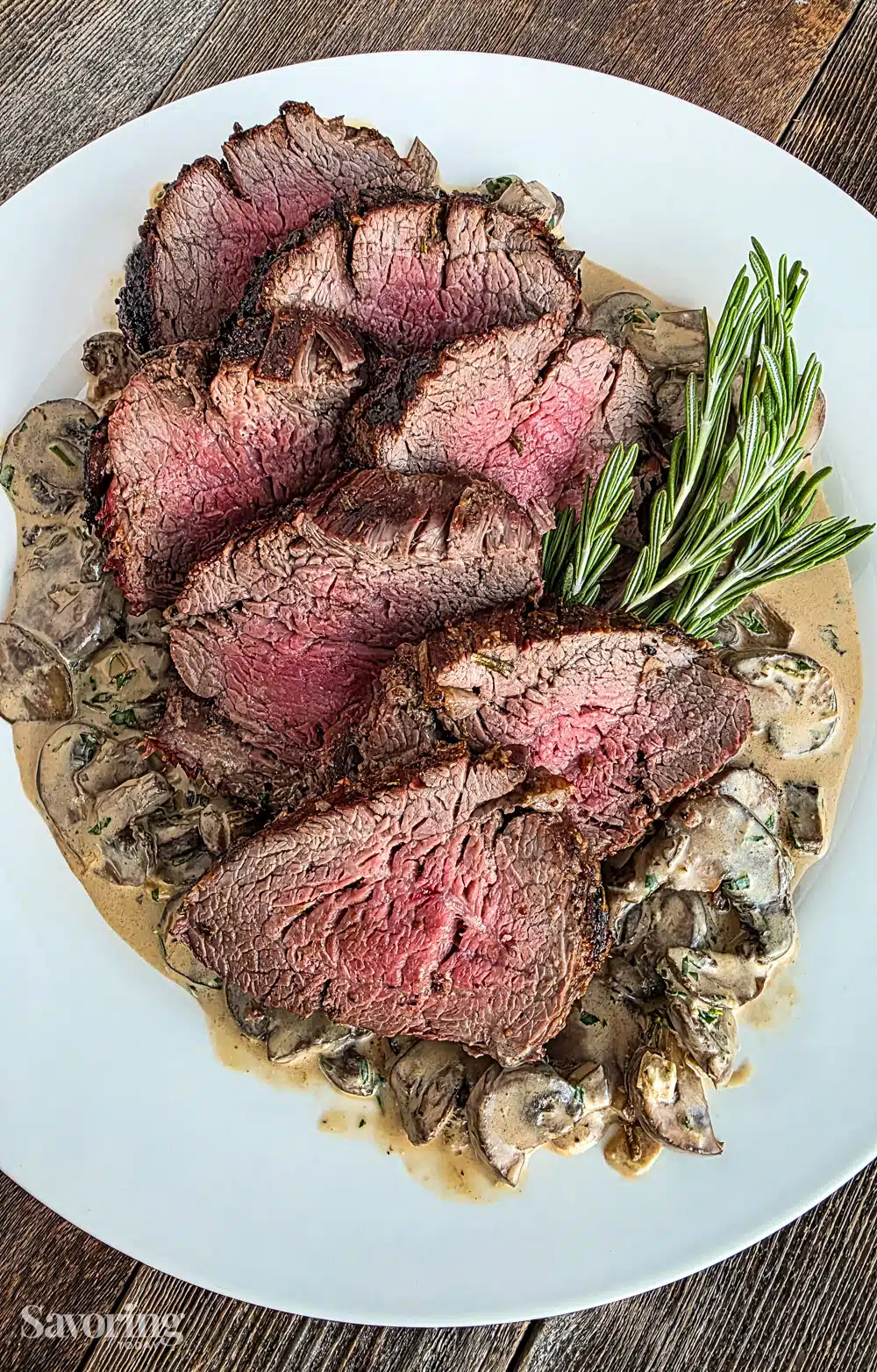
Few dishes feel as celebratory and satisfying as a perfectly cooked beef tenderloin. Known for its exceptional tenderness, this cut becomes even more irresistible when marinated with fresh rosemary, garlic, and olive oil (we love this marinade on grilled lamb, too!). Whether roasted or grilled, we’ll show you how to prepare this delicious cut of beef (perfectly medium-rare), so you can wow at any occasion.
Our favorite way to serve this dish is with a mushroom and blue cheese ragout (it’s amazing with Tri-Tip roast too!). As tender as this cut of beef is, it is naturally lean, which doesn’t mean it has big, beefy flavor. This is why you’ll most often see it served in restaurants with rich sauces like bearnaise or beside a savory mushroom sauce, as we suggest here.
Tenderloin medallions nestled in sauce present a stunning centerpiece for holidays, dinner parties, or any meal where you want to serve something memorable. In this recipe, we share simple secrets that make it foolproof.
Not a fan of mushrooms? No problem! Perhaps you’d rather serve this amazing dish with our horseradish yogurt cream sauce instead, or you can serve the tenderloin with both for a truly stunning meal.
How to Select the Best Center-Cut Beef Tenderloin
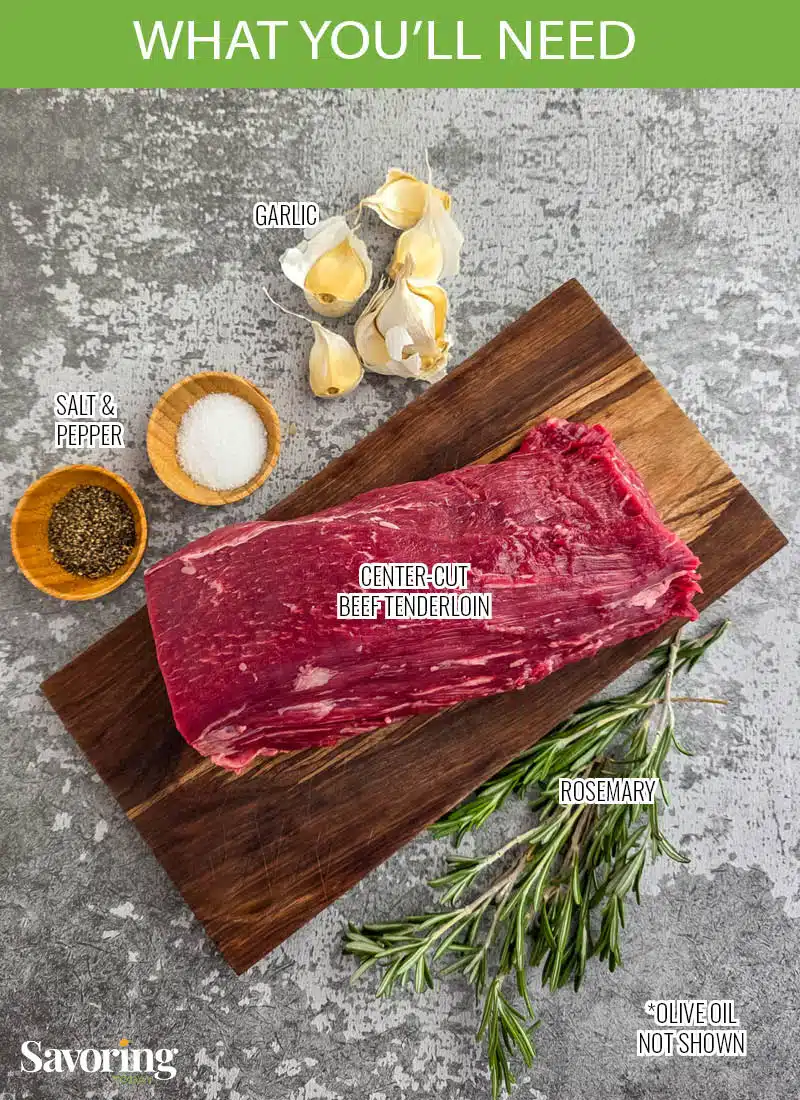
Choosing the right cut of beef tenderloin makes all the difference in flavor, tenderness, and presentation. When shopping for this roast, look for a center-cut beef tenderloin, sometimes labeled Chateaubriand roast.
The center section of the tenderloin is the most uniform in thickness, which means it cooks more evenly (no folding or tying) and slices into beautiful medallions. Butchers trim the tapered tail and thicker head portions to create this even center section, which is ideal for roasting or grilling.
PRO TIP: If you cannot find a center-cut roast, consider buying a whole tenderloin and cutting it yourself (this usually costs less per pound). When I do this, I save the ends for other meals, cutting the thicker end into steaks and using the thinner end for sliced beef recipes like Beef Stroganoff or Mongolian Beef.
Choose Well-Marbled Beef
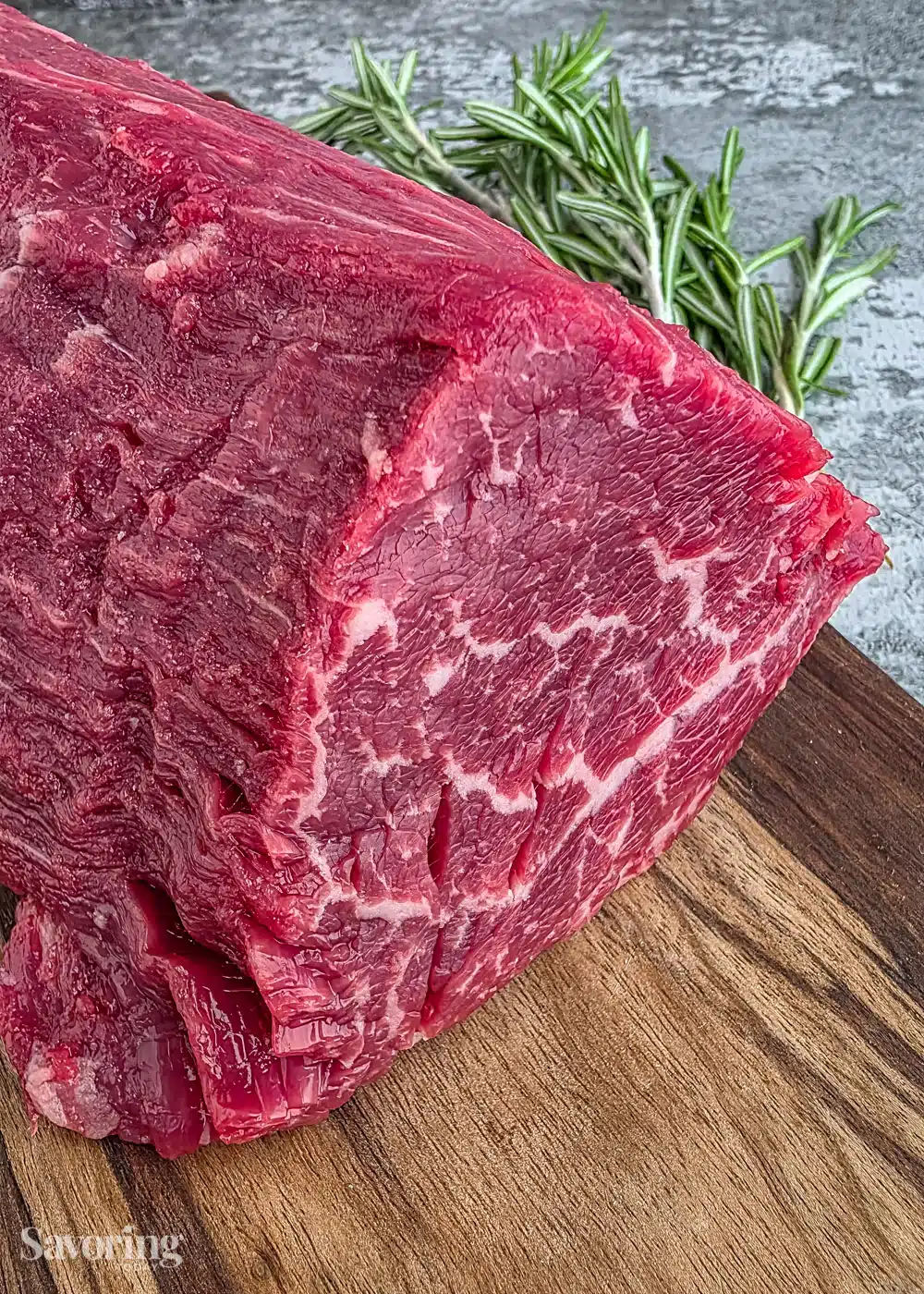
While beef tenderloin is naturally lean, look for fine streaks of intramuscular fat (marbling) throughout the meat. These thin threads of fat melt during cooking, adding flavor and juiciness. USDA Prime grade beef will typically offer more marbling than USDA Choice grade beef, with an ideal balance of tenderness and flavor.
Ask for It Trimmed
If it is not already trimmed, smaller grocery stores may have butchers who will remove the silverskin (a thin, shiny connective tissue) if you ask. Silverskin becomes tough when cooked and can prevent marinades from penetrating the meat. If not, you can remove it yourself (and we recommend you do) by following the simple instructions in this post.
Plan the Right Size
A helpful rule of thumb for tenderloin roast:
- ½ pound per person for generous portions
- ⅓ pound per person when serving multiple sides
For this recipe, a 2-pound center-cut tenderloin roast serves about 6 people.
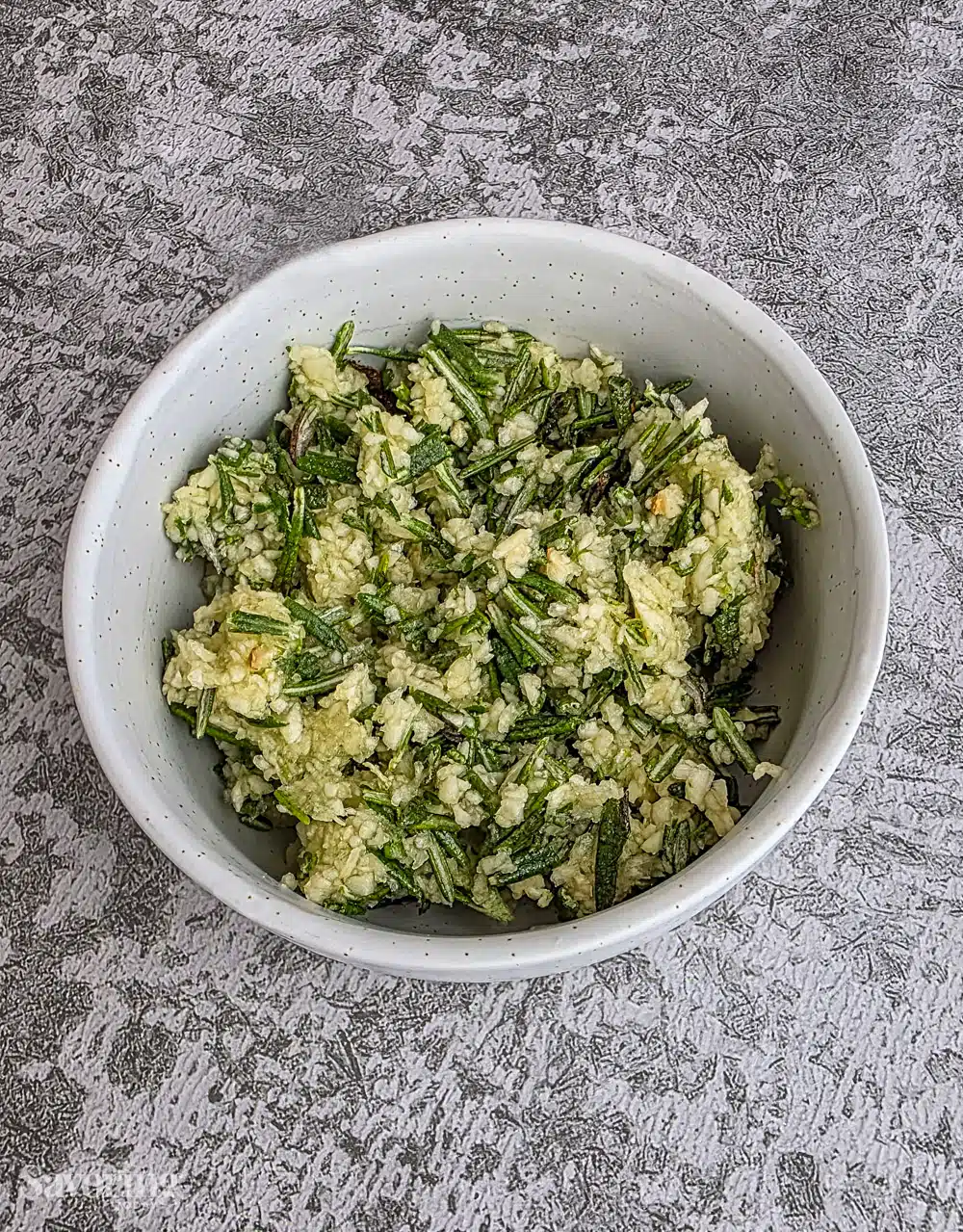
Secrets to the Best Beef Tenderloin
- Select a well-marbled, center-cut roast—USDA Prime grade is ideal
- Remove the silverskin—Silverskin is a tough connective tissue that should be trimmed away before marinating.
- Marinate or season overnight if possible—While six hours works well, overnight marinating allows the salt, garlic, and rosemary to fully season the meat.
- Remove the roast from the refrigerator 30 minutes before cooking for more even roasting.
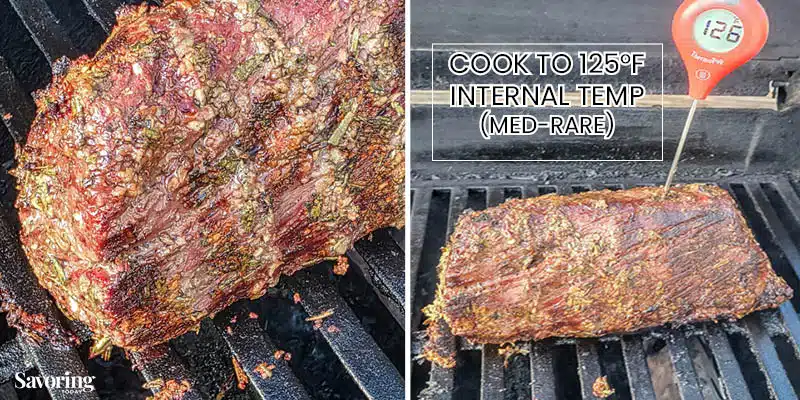
- Use an instant-read thermometer—Beef tenderloin is best when cooked to 125°F for medium-rare before resting.
- Let the roast rest before slicing—Resting for 10 minutes allows juices to redistribute for the most tender slices.
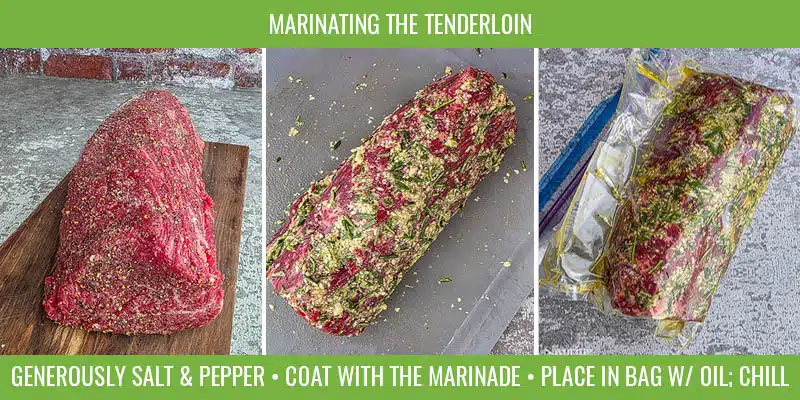
Grilling or Roasting Step-By-Step
- Prepare the beef by trimming away the silverskin on the tenderloin (see How-To below). If cutting away silverskin separates the muscle into two pieces, use twine to bind the pieces back together.
- Marinate the meat by generously seasoning it with olive oil, salt, and pepper, then rubbing it with the garlic and rosemary. Transfer to a container or zip-type bag and refrigerate at least 6 hours, but up to 24 hours is better.
- Oven roast or grill the tenderloin:
OVEN METHOD: Heat oven to 350°F. Before roasting, pan-sear each side of the roast 2-3 minutes in a heavy oven-safe skillet (like cast iron) with oil over medium heat until browned on all sides. If the skillet is not oven-safe, transfer the roast to a baking dish. Cook in the oven for 20 minutes and then check the internal temperature in the thickest part of the roast. Continue to cook until the thickest part is medium-rare (125ºF). The exact time will depend on the thickness of the meat, but the roast is usually done within 30 minutes total cooking time.
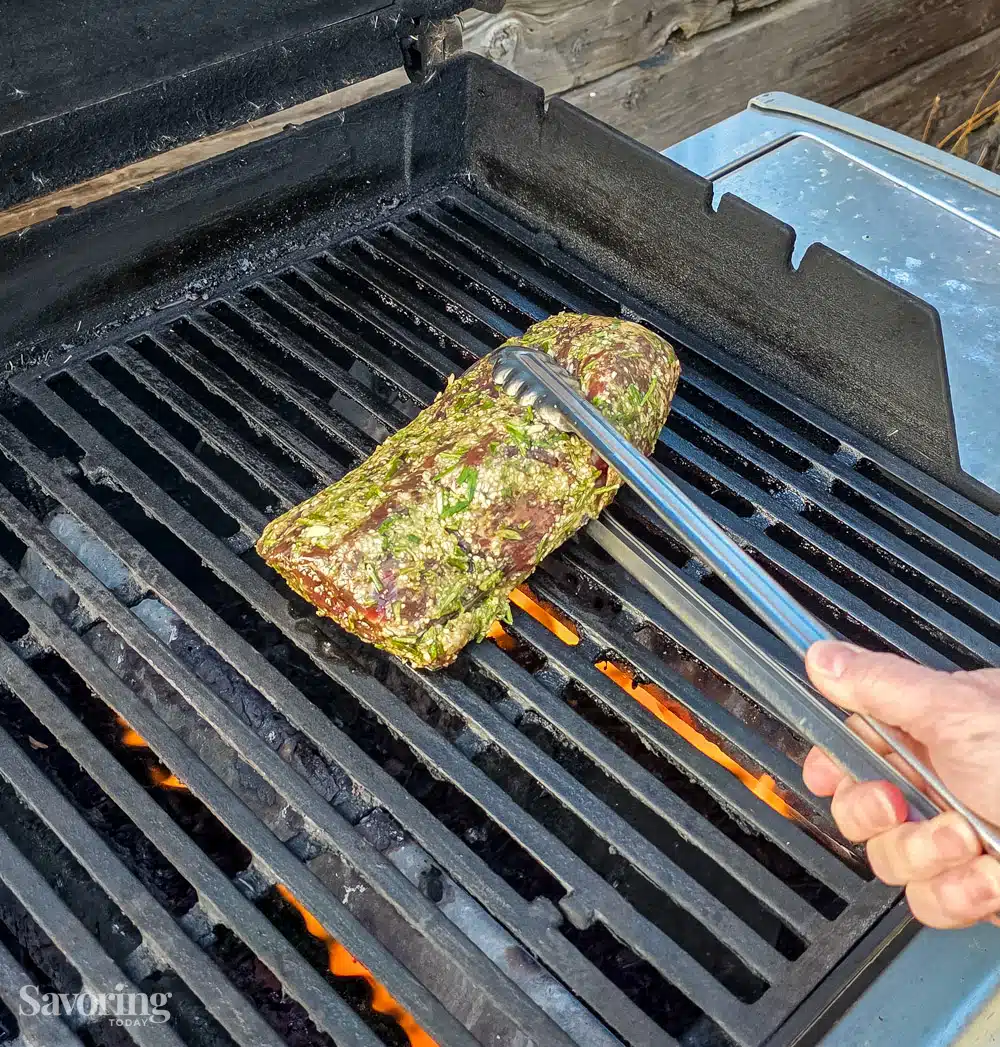
CHARCOAL GRILL METHOD: Light a charcoal grill and spread coals on only one side of the grill to allow for a cool zone on the other side. Place the tenderloin directly over hot coals and cook for 8-10 minutes to sear. Turn over and grill for another 10 minutes. Check internal temperature at 20 minutes and continue to cook until medium-rare or 125°F internal temperature, about 30 minutes total, depending on size. NOTE: if the roast is cooking to fast on the outside before the internal temperature has reached 125minutes, then rotate to the cool zone and continue to cook until medium-rare or 125°F internal temperature, about 30 minutes total, depending on size.
GAS GRILL METHOD: Heat a gas grill to 400°F, then reduce heat to low. Clean grates and place the tenderloin roast over the low flame for 10 minutes. Turn over and grill for another 10 minutes. Check internal temperature at 20 minutes and continue to cook until medium-rare or 125°F internal temperature, about 30 minutes total, depending on size. - Once done, remove from the grill, tent with foil, and allow to rest for 10-15 minutes, and serve with Mushroom Sauce.
Beef Tenderloin Temperature Guide
Use an instant-read thermometer. Pull early due to 5–10°F carryover during 10–15 min rest.
- Rare: Pull 115–120°F (final 120–125°F)
- Medium-Rare (recommended): Pull 120–125°F (final 130–135°F)
- Medium: Pull 130–135°F (final 140–145°F)
- Medium-Well: Pull 140–145°F (final 150–155°F)
- Well-Done: Pull 150°F+ (final 160°F+)
What to Serve with Beef Tenderloin
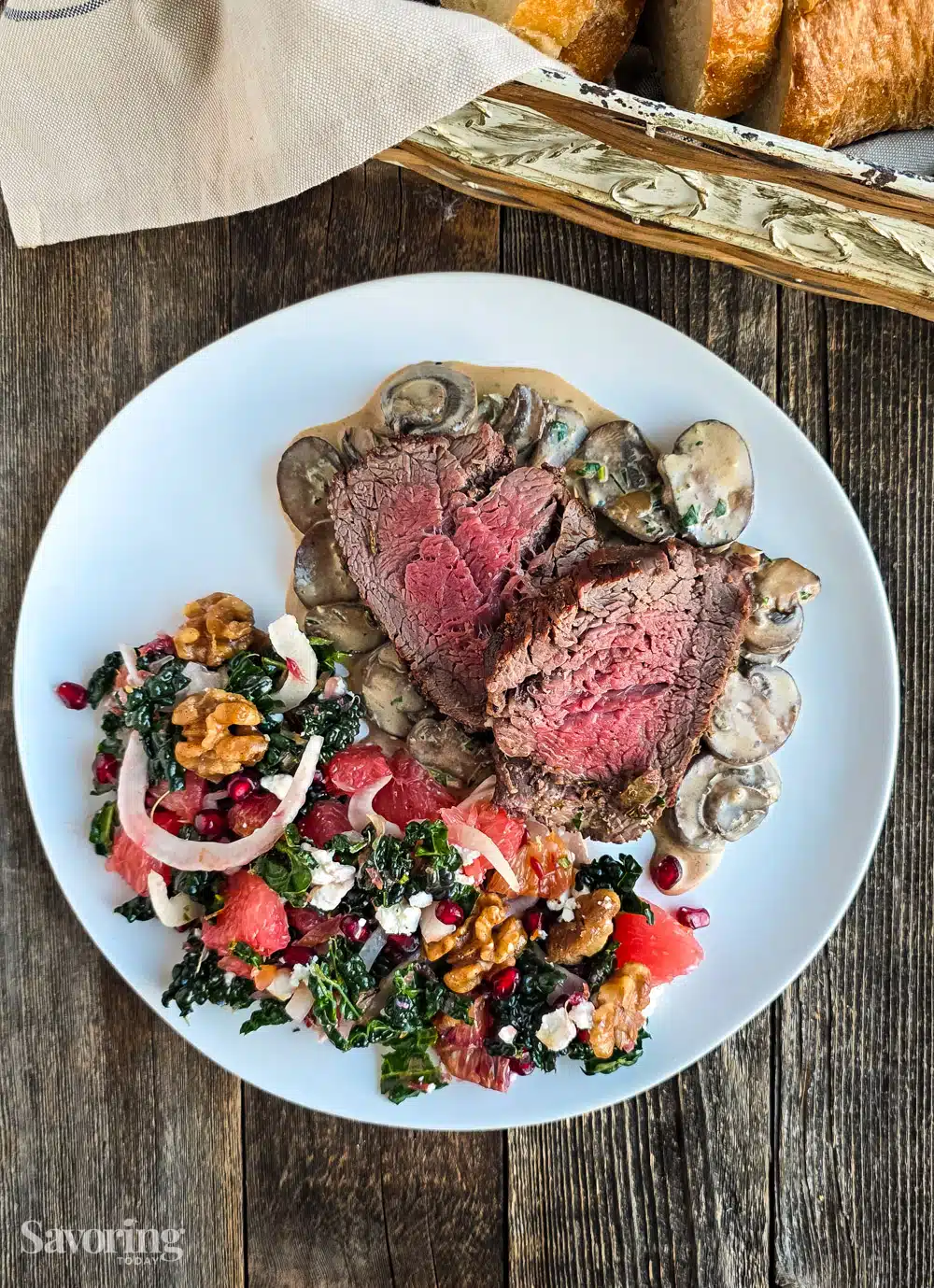
This elegant roast pairs beautifully with hearty sides like mashed roasted garlic sweet potatoes, winter citrus salad (shown in photo), buttery green beans, roasted vegetable medley, roasted asparagus, or Tuscan broccoli.
And you’ll want to make room for some bread because Parmesan herb focaccia and whole wheat dinner rolls soak up all the sauce goodies down to the last drop!
How to Trim Silverskin
One of the most important preparation steps for beef tenderloin is removing the silverskin. Silverskin is the thin, shiny membrane that runs along parts of the tenderloin. Unlike fat, it does not melt during cooking and can become chewy and tough if left on the roast. The goal is to remove the membrane while preserving as much of the meat as possible.
- Sharpen your knife—you’ll want it as sharp as possible.
- Lift the membrane slightly with your fingers
- Carefully angle the knife upward toward the silverskin (not downward into the meat).
- Gently slide the knife along, just under the membrane, while pulling the silverskin away.
How to Tie a Whole Beef Tenderloin for Even Cooking
If a center-cut is not available or you simply choose to buy and use the whole muscle, tying a beef tenderloin with kitchen twine helps the roast maintain a uniform shape so it cooks evenly.
Tenderloin often tapers at one end, which can cause thinner ends to overcook before the thicker center reaches the proper temperature. Tying the roast with kitchen twine solves this problem and also creates a more attractive presentation when sliced. This simple step helps ensure the roast cooks uniformly from end to end.
Steps for Tying a Tenderloin
- Fold the thin tail end under the roast to create a more even thickness.
- Cut several pieces of kitchen twine about 8 inches long.
- Tie the twine around the roast at 1½–2 inch intervals, securing snugly but not tightly.
- Trim excess string before cooking.
Beef Tenderloin vs. Filet Mignon: What’s the Difference?
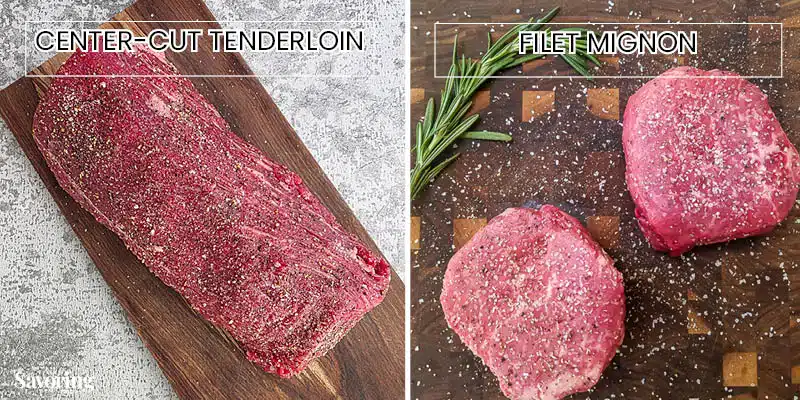
The beef tenderloin is the long, cylindrical muscle that runs along the back of the cow on both sides of the spine. Because this muscle is not worked like a shoulder or rump muscle, it is a very tender cut of beef.
Filet mignon is simply a steak carved from the tenderloin, in which all fat, connective tissue, and silverskin have been removed. This extra labor and waste are factored into the overall cost of the filet, which is why you’ll find the price per pound higher than that of a tenderloin roast.
Here’s how they compare:
| Cut | What It Is | Best Cooking Method |
| Beef Tenderloin | The entire long muscle, typically roasted whole | Roasting or grilling |
| Center-Cut Tenderloin | The most even portion of the tenderloin | Roasting or grilling |
| Filet Mignon | Individual steaks cut from the tenderloin | Pan-searing or grilling |
Frequently Asked Questions
What temperature should beef tenderloin be cooked to?
For the best texture and flavor, cook until the internal temperature reaches 125°F for medium-rare.
Can I cook this without marinating overnight?
Yes. A 6-hour marinade still adds excellent flavor.
Do you have to sear beef tenderloin before roasting?
Searing the beef creates flavor compounds you cannot achieve by roasting alone. It’s fine if you want to sear before or after roasting, but searing is key to boosting flavor.
Why is resting important?
Resting allows juices to redistribute throughout the meat so they stay inside when slicing.
Garlic and Herb Beef Tenderloin (Grilled or Roasted)
Ingredients
- 2 pounds beef tenderloin roast center-cut
- 8 cloves garlic , minced (8-10 large cloves)
- 4 sprigs sprigs fresh rosemary , leaves minced (about 3 tablespoons)
- 2 teaspoons sea salt
- 2 teaspoons freshly cracked black pepper
- 3 tablespoons extra virgin olive oil
- Mushroom & Blue Cheese Ragout See Recipe Link

Instructions
- Trim away any silverskin on the tenderloin. If cutting away silverskin separates the muscle into two pieces, use twine to bind the pieces back together.
- Place the trimmed tenderloin on a rimmed baking sheet and season with salt and pepper on both sides. Use a food processor to process the garlic and rosemary together, or mince with a knife. Rub the garlic and rosemary over the tenderloin until covered in a thin layer. Transfer to a container or Ziploc bag, drizzle with olive oil, and refrigerate at least 6 hours, but overnight is better.2 pounds beef tenderloin roast, 8 cloves garlic , 4 sprigs sprigs fresh rosemary, 2 teaspoons sea salt, 2 teaspoons freshly cracked black pepper, 3 tablespoons extra virgin olive oil
- OVEN METHOD: Heat oven to 350°F. Before roasting, pan-sear each side of the roast 2-3 minutes in a heavy oven-safe skillet (like cast iron) with oil over medium heat until browned on all sides. If the skillet is not oven-safe, transfer the roast to a baking dish. Cook in the oven for 20 minutes and then check the internal temperature in the thickest part of the roast. Continue to cook until the thickest part is medium-rare (125ºF). The exact time will depend on the thickness of the meat, but the roast is usually done within 30 minutes total cooking time.
- CHARCOAL GRILL METHOD: Light a charcoal grill and spread coals on only one side of the grill to allow for a cool zone on the other side. Place the tenderloin directly over hot coals and cook for 8-10 minutes to sear. Turn over and grill for another 10 minutes. Check internal temperature at 20 minutes and continue to cook until medium-rare or 125°F internal temperature, about 30 minutes total, depending on size. NOTE: if the roast is cooking to fast on the outside before the internal temperature has reached 125minutes, then rotate to the cool zone and continue to cook until medium-rare or 125°F internal temperature, about 30 minutes total, depending on size.
- GAS GRILL METHOD: Heat a gas grill to 400°F, then reduce heat to low. Clean grates and place the tenderloin roast over the low flame for 10 minutes. Turn over and grill for another 10 minutes. Check internal temperature at 20 minutes and continue to cook until medium-rare or 125°F internal temperature, about 30 minutes total, depending on size.
- Once done, remove from grill, tent with foil, and allow to rest for 10-15 mintues. Serve with Mushroom Sauce.Mushroom & Blue Cheese Ragout
Notes
- Sharpen your knife—you’ll want it as sharp as possible.
- Lift the membrane slightly with your fingers
- Carefully angle the knife upward toward the silverskin (not downward into the meat).
- Gently slide the knife along, just under the membrane, while pulling the silverskin away.
Karen (Back Road Journal) says
My preferred cut of beef and your steak was perfectly marbled. I must be great.